

When people picture wealth in India, glittering skylines like Mumbai’s Bandra-Kurla Complex or Gurugram’s business towers usually come to mind. But scattered across the country’s heartland are villages that quietly outshine many towns in bank balances, infrastructure, and quality of life. These are not places built on luxury real estate or stock portfolios — their wealth comes from disciplined saving, smart farming, community planning, and, in several cases, money sent home by residents working abroad. Here’s a look at ten of India’s most prosperous villages and the stories behind their fortunes.
Table of Contents
1. Madhapar, Gujarat

Tucked about eight kilometers from Bhuj in Kutch district, Madhapar is routinely called India’s richest village. With a population of roughly 17,000, the village is home to numerous bank branches holding deposits that reportedly run into thousands of crores of rupees. What makes this remarkable is that the wealth doesn’t come from factories or industry — Madhapar has almost none. Instead, it comes from a large diaspora of Non-Resident Indians (NRIs), many settled in the UK, US, and other countries, who regularly send money back home. That steady inflow, combined with the community’s strong savings culture, has turned ordinary farmers, shopkeepers, and teachers into a village of collective millionaires, funding well-paved roads, schools, and hospitals along the way.
2. Hiware Bazar, Maharashtra
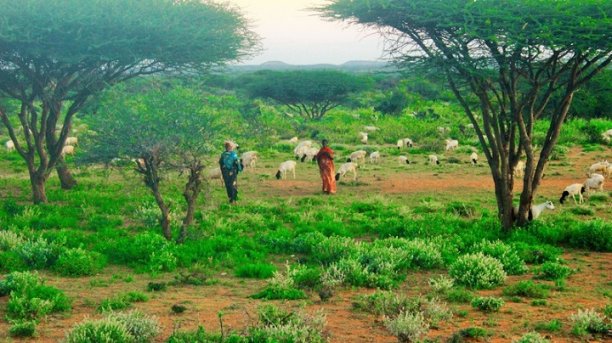
Hiware Bazar in Ahmednagar district tells a very different story — one of transformation rather than inherited fortune. Decades ago, this was a drought-stricken village struggling with poverty and migration. Under the leadership of Sarpanch Popatrao Pawar, the community adopted rigorous watershed management, rainwater harvesting, and a ban on water-guzzling crops. The results were extraordinary: the village now reportedly has dozens of local millionaires, thriving dairy farming, and an average household income far above the national rural average. Hiware Bazar has since become a model studied by policymakers for sustainable rural development.
3. Punsari, Gujarat
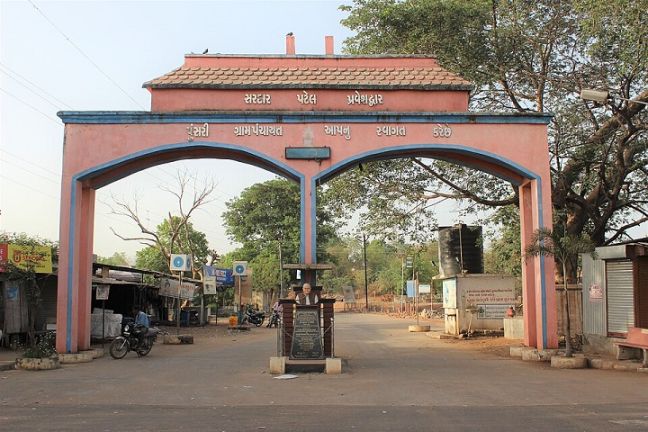
Located in Sabarkantha district, Punsari looks more like a small, well-run town than a traditional village. Free Wi-Fi for residents, CCTV surveillance across public spaces, air-conditioned schools, biometric attendance systems, and a functioning public transport network are all part of daily life here. This transformation is largely credited to strong local governance and effective use of government schemes under a proactive village council. Punsari is frequently cited as proof that smart infrastructure and administrative efficiency can dramatically raise a village’s standard of living, even without extraordinary natural resources.
4. Maraog, Himachal Pradesh
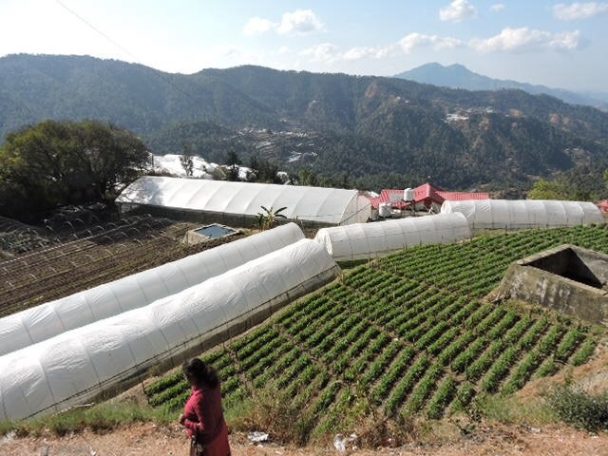
While most villages on this list built their wealth through banking discipline or governance reform, Maraog owes its prosperity to a single crop: apples. Himachal Pradesh’s apple belt has made many hill villages comfortable, but Maraog stands out. Local cultivators reportedly earn between Rs 35 lakh and Rs 80 lakh annually from their orchards, with the village’s total apple economy estimated at around Rs 150 crore. Farmers here have also embraced modern practices — tracking market prices online before selling their produce — which has helped them capture better margins than many traditional growers elsewhere in the state.
5. Dharnai Village, Bihar
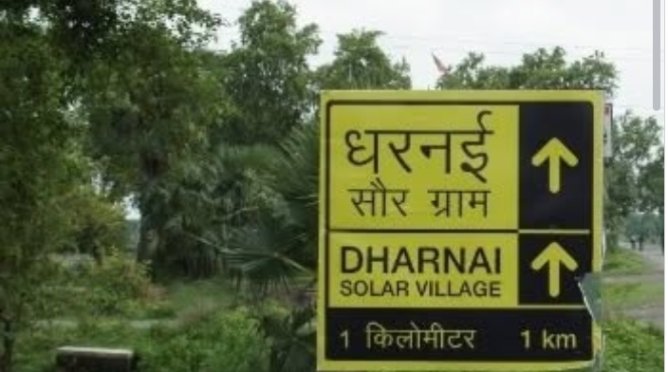
Dharnai earned national attention in 2014 when it became the first village in India to run entirely on solar power. The initiative, supported by Greenpeace, brought reliable electricity to a community that had lived largely without grid power. Beyond the environmental milestone, the shift to solar energy powered irrigation pumps, small businesses, and household appliances, giving local livelihoods a meaningful boost. Dharnai is a reminder that “richness” isn’t always measured strictly in rupees — access to consistent energy can be transformative for an entire local economy.
6. Ralegan Siddhi, Maharashtra
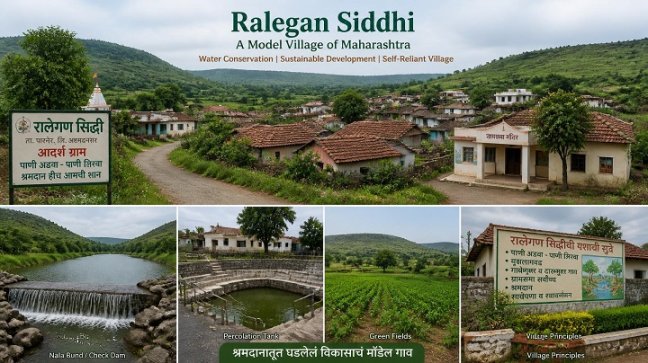
Made famous by social activist Anna Hazare, Ralegan Siddhi in Ahmednagar district followed a similar arc to its neighbor Hiware Bazar. Once plagued by drought and alcoholism, the village underwent a dramatic turnaround through watershed development, tree plantation drives, and cooperative farming. Today it is frequently held up as a national model for rural self-governance, with improved agricultural yields and household incomes that far exceed the surrounding region.
7. Kokrebellur, Karnataka

Kokrebellur’s prosperity has an unusual origin story: birds. This Mandya district village is a nesting ground for painted storks and spot-billed pelicans, which villagers consider symbols of good fortune and actively protect. The resulting eco-tourism, combined with strong agricultural output and a well-developed local temple economy, has made the village both culturally rich and economically stable, with residents investing heavily in local infrastructure and education.
8. Jakhni, Uttar Pradesh
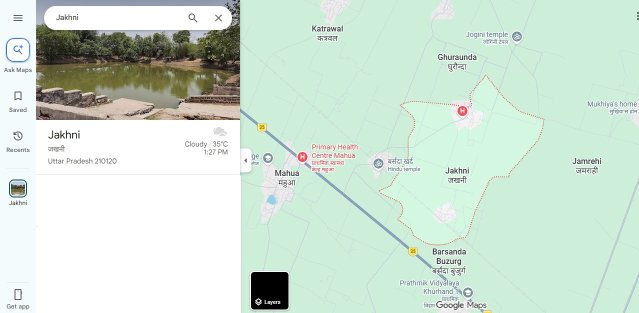
Located in the drought-prone Bundelkhand region, Jakhni transformed itself through an intensive water conservation program, earning it the nickname “Bihar’s Ralegan Siddhi” of the north. Check dams, farm ponds, and rainwater harvesting structures reversed years of agrarian distress, allowing farmers to grow multiple crop cycles a year instead of one. The resulting agricultural surplus has significantly raised household incomes in a region otherwise known for water scarcity and farmer hardship.
9. Neraluru, Karnataka
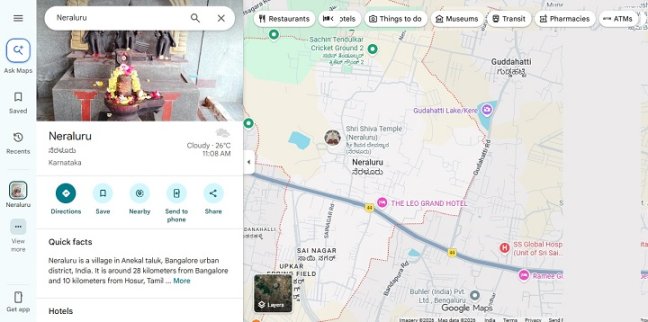
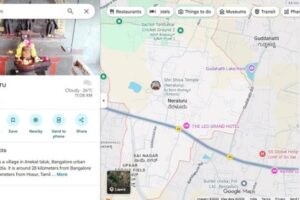
Neraluru is a village in Anekal taluk, Bangalore Urban district, Karnataka, located about 28 km from Bangalore and near Attibele and Chandapura. It is chiefly notable for hosting one of the largest Grama Panchayats in Karnataka — with 64 elected representatives as of 2021 — overseeing nine villages including Thirumagondanahalli, Balagaranahalli, Icchanguru, and Yadavanahalli, reportedly making it the biggest gram panchayat in the entire state. Once a quiet agrarian settlement, Neraluru has transformed with nearby industrial growth, drawing migrant workers, and rising real estate interest driven by Bangalore’s southeastern expansion along Sarjapur Road, even as rural roots and infrastructure gaps persist.
10. Kizhakkambalam, Kerala
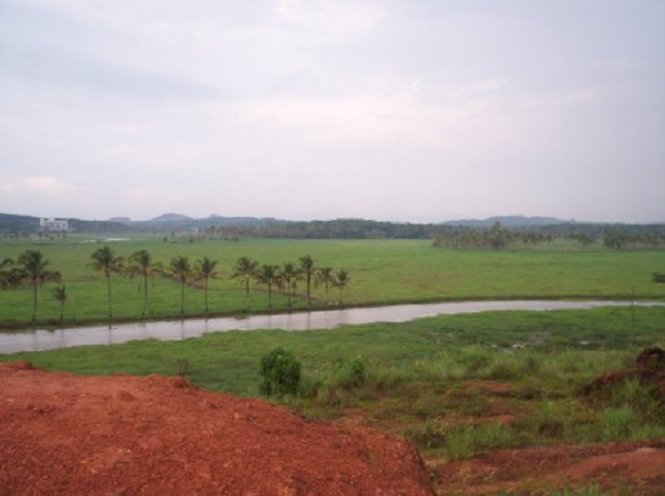
Kizhakkambalam in Ernakulam district has become known for its unusually high per-capita income, partly driven by a large diaspora working in the Gulf states and partly by strong local entrepreneurship, including a well-known garment manufacturing enterprise headquartered in the village. Remittances combined with local industry have funded impressive public infrastructure, healthcare facilities, and educational institutions.
What These Villages Have in Common
Despite their different paths — remittances, watershed management, solar power, cash crops, or digital governance — these villages share a few consistent traits: strong community leadership, disciplined financial habits, and a willingness to invest collectively in shared infrastructure rather than only private gain. None of them got rich by accident. Each represents years of deliberate planning, whether that meant building irrigation systems, embracing new technology, or simply saving diligently over generations.
As India’s rural economy continues to evolve, these villages offer a compelling counter-narrative to the usual urban-wealth story — proof that prosperity, resilience, and smart planning can take root anywhere, including places far from any city skyline.
FAQs
1. Which is the richest village in India?
Madhapar in Gujarat’s Kutch district is widely regarded as India’s richest village, thanks to its huge bank deposits fueled by remittances from its large NRI community.
2. How do villages become “rich” without factories or big industries?
Most of these villages built wealth through non-industrial means — remittances from family members working abroad, disciplined savings habits, water conservation that boosted farm yields, cash crops like apples, or strong local governance that attracted government funding and investment.
3. Is there an official ranking or index for India’s richest villages?
No government or financial body officially ranks villages by wealth. Rankings are based on indicators like bank deposits, per-capita income, infrastructure quality, and agricultural output, so different sources may list villages in a different order.
4. What role did NRIs (Non-Resident Indians) play in villages like Madhapar and Kizhakkambalam?
A significant one. In both villages, residents working abroad — largely in the UK, US, and Gulf countries — regularly send money home. This steady inflow has funded local infrastructure, schools, and hospitals, and is a major reason these villages have such high bank deposits relative to their size.
5. Can other villages replicate this kind of success?
Many experts believe so. Villages like Hiware Bazar and Ralegan Siddhi transformed from drought-hit and poverty-stricken to prosperous through deliberate steps — watershed management, banning water-intensive crops, and strong local leadership — showing that success came from planning and community effort rather than luck or geography alone.