

In the folds of the Shimla district, far from the crowded malls and honking traffic of the capital, lies a village that most travel brochures never mention — Maraog. It is the kind of place that reminds you why people fall in love with Himachal Pradesh in the first place: quiet slopes covered in deodar and pine, terraced fields clinging to the hillsides, and a rhythm of life that has changed only slowly over the decades. If you are looking for an offbeat destination away from the usual Shimla-Manali circuit, Maraog deserves a spot on your list — not because it has grand monuments or five-star resorts, but because it offers something increasingly rare: an unfiltered glimpse of rural Himalayan life.
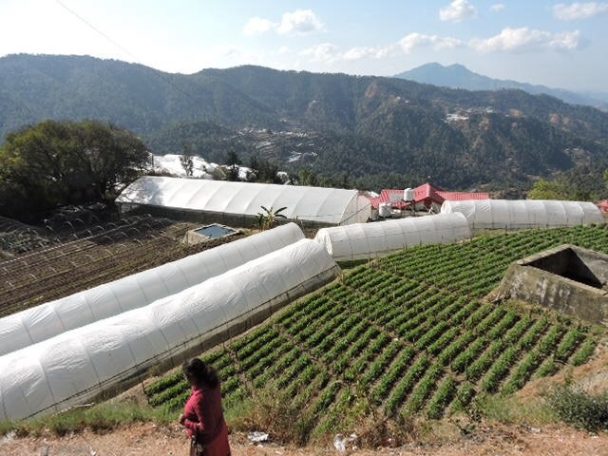
Table of Contents
Where Is Maraog?
Maraog is a small village located in Chaupal Tehsil, part of the Shimla district in Himachal Pradesh. It falls under the Gorali Madawag gram panchayat and lies roughly 100 kilometres from Shimla, the district and state headquarters. The nearest town for everyday supplies and economic activity is Chaupal itself, which also serves as a popular base for trekkers heading toward the Churdhar Peak — one of the most rewarding high-altitude treks in the lower Himalayas. Because of this proximity, Maraog sits in a corridor of Himachal that is steadily gaining attention from trekkers and nature lovers who want to explore beyond the well-trodden paths of central Shimla.
Why Maraog Is Worth Knowing About
Maraog isn’t famous in the way that Shimla, Manali, or Dharamshala are famous — it doesn’t have a marquee attraction pulling in tour buses. Its appeal lies elsewhere:
- Untouched natural beauty — dense deodar and pine forests, terraced agricultural land, and sweeping views typical of the mid-Himalayan belt of Shimla district.
- Proximity to Churdhar Peak — the Chaupal region, where Maraog is located, is a well-known gateway for trekkers attempting the Churdhar trek, one of the more accessible high-altitude treks in Himachal.
- Authentic rural Himachali culture — traditional wood-and-slate houses, apple and vegetable farming, and community life organised around the local gram panchayat give visitors a genuine sense of how villages in the Shimla hills actually function.
- A peaceful escape from tourist crowds — its remoteness, which keeps it off most itineraries, is precisely what makes it appealing to travellers seeking solitude and slower travel.
In short, Maraog is “famous” among a niche audience — trekkers passing through Chaupal, researchers of rural Himachal demographics, and travellers who deliberately seek out villages rather than towns.
Maraog Village: Key Facts and Figures
Below is a snapshot of Maraog’s administrative and demographic profile, based on Census of India 2011 data (the most recent comprehensive village-level census available):
- State: Himachal Pradesh
- District: Shimla
- Tehsil/Sub-district: Chaupal
- Gram Panchayat: Gorali Madawag
- Census location code: 025388
- Total geographical area: 92.69 hectares
- Pincode: 171211
- Total population (2011 Census): 397
- Male population: 202
- Female population: 195
- Total households/families: 92
- Children aged 0–6 years: 63 (about 15.87% of the total population)
- Sex ratio: 965 females per 1,000 males (slightly below the Himachal Pradesh state average of 972)
- Child sex ratio (0–6 years): 1,250, which is notably higher than the state average of 909
- Overall literacy rate: 82.63%, marginally lower than the Himachal Pradesh state average of 82.80%
- Male literacy rate: 89.08%
- Female literacy rate: 75.63%
- Local governance: Administered by a Sarpanch (elected village head), as per the Constitution of India and the Panchayati Raj Act
- Nearest town: Chaupal, approximately 30 km away
- Distance from district headquarters (Shimla): around 100 km
These figures paint the picture of a small, close-knit community — 92 families sharing a compact stretch of hillside — with literacy levels roughly on par with the Himachal Pradesh state average, itself one of the higher literacy rates among Indian states. The notably high child sex ratio is worth flagging as a positive demographic indicator, even in a small sample size like this.
Getting to Maraog
Reaching Maraog requires a bit of planning, which is part of its charm. The typical route is via Shimla, from where Chaupal is roughly a 4-5 hour drive along winding mountain roads through Kumarsain, Narkanda, and Kupvi. From Chaupal, local roads and shorter drives connect to the smaller villages in the panchayat area, including Maraog. Public transport in the form of state buses runs on the main Shimla–Chaupal route, though the final stretch into the interior villages may require shared taxis or private vehicles. Travellers heading here should be prepared for narrow hill roads, limited fuel stations along the way, and patchy mobile connectivity once off the main highway — all standard features of rural Himachal travel.
What to Do Near Maraog
While the village itself is best experienced simply by walking through it and observing daily life, the surrounding Chaupal region offers a few worthwhile detours:
- Churdhar Peak Trek — one of the highest peaks in the outer Himalayas accessible from Shimla district, with the temple of Shirgul Maharaj at the summit drawing both pilgrims and trekkers.
- Hatkoti Temple Complex — an ancient group of temples dedicated to Goddess Mahishasura Mardini, located within a reasonable driving distance and known for its distinctive stone architecture.
- Apple orchards and terraced farms — the Chaupal belt is part of Himachal’s apple-growing region, and a walk through the orchards during blossom or harvest season is a quiet highlight for visitors.
- Local village markets in Chaupal town — a good place to experience everyday Himachali commerce, from fresh produce to woollens.
The Bigger Picture
Villages like Maraog rarely make it into glossy tourism campaigns, and that is exactly the point. India has thousands of settlements like this one — small, self-governed, agriculturally rooted, and largely self-sufficient — that quietly hold together the rural backbone of states like Himachal Pradesh. For travel writers, researchers, and curious wanderers alike, spending time understanding a place like Maraog offers a far more grounded perspective on Himachal Pradesh than any hill-station holiday can provide. It’s a reminder that beyond the postcard views of Shimla’s Mall Road lies a much larger, quieter Himachal — one measured not in tourist footfall, but in families, farms, and generations of mountain life.
Frequently Asked Questions
1. Where is Maraog located?
Maraog is a village in Chaupal Tehsil, Shimla district, Himachal Pradesh, about 100 km from Shimla city and roughly 30 km from Chaupal town, the nearest local hub.
2. What is the population of Maraog?
As per the 2011 Census, Maraog had a population of 397 people — 202 males and 195 females — living across 92 households.
3. What is the literacy rate in Maraog?
The overall literacy rate is 82.63%, close to the Himachal Pradesh state average of 82.80%. Male literacy stands at 89.08%, while female literacy is 75.63%.
4. How do I reach Maraog?
The usual route is Shimla to Chaupal by road (around 4–5 hours via Kumarsain and Narkanda), followed by a shorter local drive or shared taxi into the village. State buses run on the main Shimla–Chaupal route, but the last stretch often needs private transport.
5. What is Maraog known for?
Maraog isn’t a mainstream tourist destination; it’s known locally for its untouched natural scenery, traditional Himachali village life, and its location near the Churdhar Peak trekking route, making it a quiet stop for trekkers and offbeat travellers passing through the Chaupal region.
Note: Population and demographic figures cited are from the Census of India 2011, the most recent full village-level census publicly available. Figures may have changed since then and should be verified against the 2021/upcoming census once released.