

Tucked away in the eastern reaches of Chhattisgarh, Gharghoda is one of those places that rarely makes it onto a typical India travel itinerary — and that is exactly its charm. Located in Raigarh district, this small town and tehsil headquarters offers a genuine slice of rural Chhattisgarhi life, far removed from the noise of bigger cities. For travelers, researchers, or anyone curious about the lesser-known corners of central India, Gharghoda is well worth a closer look.
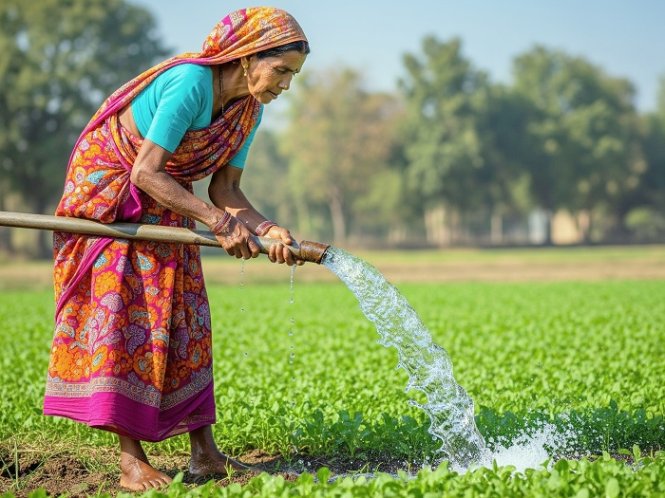
Table of Contents
Where Is Gharghoda Located?
Gharghoda sits at approximately 22°10′N, 83°21′E, at an average elevation of around 258 metres above sea level, within Raigarh district of Chhattisgarh state. It functions as both a town and a nagar panchayat, making it the administrative centre for the surrounding rural belt. The town falls under the broader jurisdiction of the Chhattisgarh state government and is connected to the district headquarters, Raigarh, through local roads, giving residents and visitors reasonably easy access to larger urban amenities when needed.
Administratively, Gharghoda is more than just a single settlement — it serves as the headquarters of Gharghoda Tehsil, a sub-division responsible for local administration and revenue collection across a cluster of villages in the district. The tehsil spans a total area of roughly 481 square kilometres, made up of about 468 square kilometres of rural land and around 13 square kilometres classified as urban. This layout is typical of many tehsils in Chhattisgarh, where a compact town core supports a much larger network of surrounding villages.
A Snapshot of the Population
According to the 2001 Census, Gharghoda town itself had a population of 8,103 residents, split almost evenly between men and women. The town’s literacy rate stood at around 65 percent — noticeably higher than the national average at the time — with male literacy around 76 percent and female literacy at roughly 54 percent. These figures reflect steady, if gradual, progress in education across the region over the decades.
Zooming out to the tehsil level paints an even fuller picture. Gharghoda Tehsil is home to 81 villages, each with its own gram panchayat and distinct local character, forming the true backbone of the area’s social and economic life. Per the 2011 Census, the tehsil’s total population was around 79,425 people, comprising roughly 39,330 males and 40,095 females — a sex ratio of about 1,019 females per 1,000 males, which is notably favorable compared to many other parts of the country. Of this total, the rural population accounted for close to 69,970 residents, while the remainder lived in the urban core of Gharghoda town. These numbers illustrate just how deeply rural this tehsil remains, even as its administrative town continues to grow.
Everyday Life and Local Economy
Life in and around Gharghoda moves at a rhythm shaped largely by agriculture. Paddy cultivation dominates the fields during the monsoon season, as it does across much of Chhattisgarh, often called the “rice bowl” of central India. Alongside farming, small trade, local markets, and government services in the nagar panchayat provide employment for a good share of the population. The town has essential civic infrastructure in place, including a Community Health Centre (CHC Gharghoda) that serves as a key healthcare access point for residents of the town and surrounding villages, as well as a local police station that maintains law and order across the tehsil.
Raigarh district as a whole is known for its mineral wealth and industrial activity, and this broader economic backdrop has gradually influenced life in tehsils like Gharghoda too, with improved road connectivity, small-scale trade opportunities, and better access to district-level services over the years. Even so, Gharghoda has largely retained its rural character — a place where community ties, seasonal festivals, and agricultural cycles still shape daily routines far more than industrial development does.
Culture and Community
Like much of Chhattisgarh, the Gharghoda region carries a rich tribal and folk heritage. Hindi and Chhattisgarhi are the primary languages spoken here, and the local dialect carries its own distinct flavor, proverbs, and oral traditions passed down through generations. Festivals such as Teej, Pola, and Hareli — deeply rooted in the agrarian calendar of Chhattisgarh — are celebrated with enthusiasm across the villages of the tehsil, often accompanied by traditional music, dance forms like Karma and Saila, and community feasts.
The gram panchayats scattered across the 81 villages of the tehsil each maintain their own local customs, though a shared sense of Chhattisgarhi identity binds them together. Visitors who take the time to explore beyond the town center will often find warm hospitality, simple home-cooked meals featuring staples like chila (a rice-based pancake) and bafauri, and a pace of life that feels refreshingly unhurried.
Getting There and What to Expect
Gharghoda is accessible by road from Raigarh, the district headquarters, which in turn connects to major cities in Chhattisgarh and neighboring states via rail and highway networks. For travelers coming from Raipur, the state capital, a combination of train travel to Raigarh followed by a road trip to Gharghoda is the most practical route. The postal index for the area is 496111, useful for anyone planning to send correspondence or navigate using local postal references.
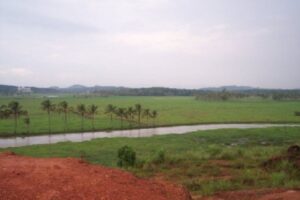
While Gharghoda doesn’t feature prominently on mainstream tourist maps, its surrounding tehsil offers glimpses of natural beauty typical of the region — forested patches, small streams, and open agricultural landscapes that shift color with the seasons. For those interested in offbeat, authentic travel experiences rather than curated tourist attractions, a visit here offers a chance to observe small-town Chhattisgarhi administration, rural livelihoods, and community life up close.
Final Thoughts
Gharghoda may be modest in size, but it plays an outsized role as an administrative and social anchor for dozens of villages across Raigarh district. Its blend of small-town infrastructure, deep rural roots, and Chhattisgarhi cultural identity make it a fascinating example of how India’s tehsil-level towns function as vital connective tissue between rural communities and the wider state machinery. Whether you’re a student of regional geography, a traveler seeking authentic experiences, or simply someone curious about the lesser-known parts of Chhattisgarh, Gharghoda offers a quiet but meaningful window into rural India’s everyday reality.
FAQs
1. Is Gharghoda a village, town, or tehsil?
Gharghoda is officially a town and nagar panchayat, and it also serves as the headquarters of Gharghoda Tehsil in Raigarh district. While it’s often casually referred to as a “village,” it functions administratively as a small town governing 81 surrounding villages.
2. What is the population of Gharghoda?
As per the 2001 Census, Gharghoda town had a population of around 8,103. At the broader tehsil level, the 2011 Census recorded a population of roughly 79,425 across the town and its 81 villages.
3. What language do people speak in Gharghoda?
The primary languages are Hindi and Chhattisgarhi, with Chhattisgarhi being the widely spoken local dialect in everyday conversation, especially in the rural areas surrounding the town.
4. How do you reach Gharghoda?
Gharghoda is accessible by road from Raigarh, the district headquarters. Travelers usually reach Raigarh first by train or highway from cities like Raipur, and then continue to Gharghoda by road.
5. What is Gharghoda known for?
Gharghoda is primarily known as a rural administrative hub — a farming-based economy centered on paddy cultivation, along with local trade, Chhattisgarhi festivals like Teej and Hareli, and its role as the tehsil headquarters for dozens of surrounding villages.
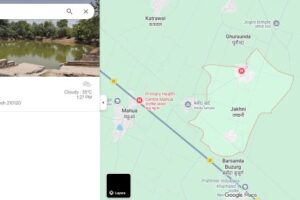
Check this village in Google Maps
Have you visited Raigarh district or explored any of Chhattisgarh’s smaller towns? Share your experiences in the comments below.