

For a long time, outdoor areas were treated as extras. A table, a barbecue and a few chairs were often considered enough, particularly if the space was mainly used in summer. That’s changed. More homeowners are now thinking about patios, decks and courtyards in much the same way they think about indoor rooms, with attention paid to comfort, layout, lighting and how the space will actually be used from day to day. A well-chosen outdoor 3 seater sofa can help establish that sense of permanence, making the area feel less like somewhere you occasionally sit and more like a genuine extension of the home.
Similar Topic
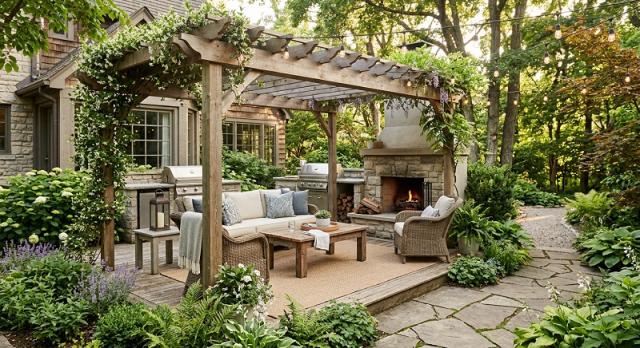
Table of Contents
Comfort Has Become Part of the Brief
Outdoor furniture used to be judged mainly on whether it could survive the weather. Durability is still important, but comfort now carries much more weight. People want to be able to spend hours outside without feeling like they’re sitting on temporary furniture, so deeper seating, supportive cushions and more generous proportions have become increasingly popular. That shift makes sense when outdoor spaces are being used for reading, working, entertaining and relaxing rather than just quick meals.
The more comfortable the space becomes, the more often it tends to get used. That changes the way people furnish it too, because once an area starts functioning as a second living room, small details such as side tables, cushions and lighting suddenly become much more relevant.
Layout Matters Outside Too
A good outdoor area benefits from the same kind of planning as a living room. Furniture should feel connected rather than scattered, and there should be clear pathways so people can move around without squeezing between chairs or stepping around table legs. Seating arranged around a central table can encourage conversation, while a more open layout may suit families who need room for children to move through the space.
It’s also worth thinking about how the outdoor area connects with the house. If the kitchen opens directly onto the deck, positioning furniture so food and drinks can be carried out easily makes sense. If the space overlooks a garden or pool, seating can be oriented to take advantage of the view rather than simply following the edge of the building.
Shelter Makes the Space More Useful
One of the biggest differences between an occasional outdoor area and a genuinely usable one is protection from the elements. Shade can make a space far more comfortable in summer, while some shelter from wind or light rain can extend its use into cooler months. Pergolas, retractable awnings, umbrellas and screening can all help create a more stable environment without completely closing the space in.
This kind of protection also gives furniture and soft furnishings an easier life. Even weather-resistant materials benefit from less direct exposure to harsh sun and heavy rain, so thoughtful shelter can improve both comfort and longevity.
Lighting Extends the Day
Outdoor lighting is another area where expectations have changed. A single bright wall light may be practical, but it rarely creates much atmosphere. Layered lighting tends to work better, combining enough illumination for safety with softer sources that make the area feel inviting after dark.
Wall lights, pendants, lanterns and subtle garden lighting can all contribute to the effect. The goal isn’t to make the outdoor area as bright as an office. It’s to create enough visibility that people can eat, talk and relax comfortably without losing the sense that they’re outside.
Materials Are Becoming More Sophisticated
Outdoor furniture no longer has to look obviously “outdoor.” Improvements in fabrics, finishes and manufacturing have made it possible to choose pieces that feel much closer to indoor furniture while still being designed for exterior conditions. That means homeowners can create a more consistent visual connection between inside and out, especially in homes with large sliding or folding doors.
Timber, metal, woven finishes and upholstered pieces can all work together in the same space, provided the materials suit the level of exposure they’ll receive. As with indoor decorating, contrast often creates a more interesting result than matching everything perfectly.
The Best Spaces Reflect Real Habits
It’s easy to design an outdoor area around the idea of entertaining, even if most of the time only one or two people use it. That can lead to oversized tables and too much seating taking up valuable room. A better approach is to look honestly at how the space will be used most often and design around that.
If mornings are the priority, comfortable seating and a small table may matter more than a large dining setting. If the area is used mainly for family dinners, a practical table could be the centrepiece. If it’s a place to unwind at the end of the day, lounge-style furniture and softer lighting may make more sense.
Outdoor Rooms Are Really About Everyday Living
The move towards more room-like outdoor spaces isn’t just a design trend. It reflects the fact that people want more from the areas around their homes. When an outdoor space is comfortable, sheltered, well lit and arranged around real habits, it becomes somewhere people naturally spend time rather than somewhere that only gets used when guests come over.
That’s what separates a furnished patio from a genuine outdoor room. It feels connected to the rest of the home, works across different parts of the day and earns its place as part of everyday life.