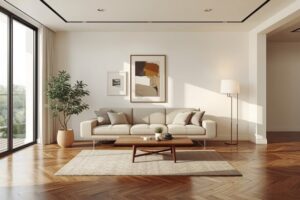


For years, the idea of a “perfect home” dominated interiors. Clean lines, neutral palettes, everything in its place. Rooms that looked untouched, almost like a showroom rather than somewhere people actually lived.
That version of perfection is starting to fade.
In its place, something more relaxed is emerging. Homes that feel layered, personal, and slightly imperfect in the best possible way. Spaces that reflect real life rather than an idealised version of it.
So are perfect interiors being replaced? Increasingly, yes. And the reasons go deeper than just changing trends.
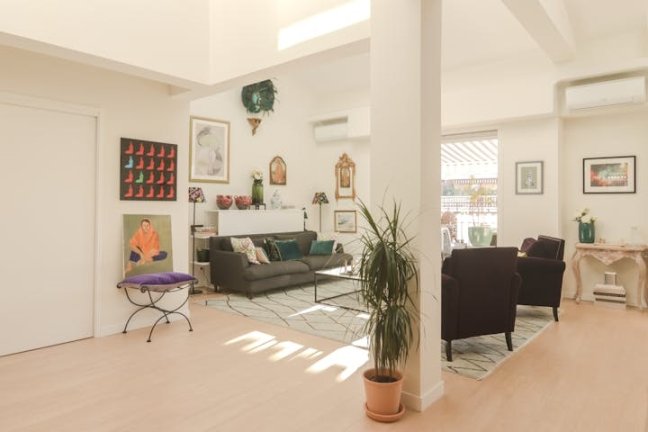
Table of Contents
The Shift Away From Showroom Living
There has been a clear move away from overly curated, “matchy” interiors.
Designers are now actively stepping back from rigid symmetry, uniform finishes, and overly polished spaces. Instead, they are embracing homes that feel collected over time rather than assembled all at once.
Even traditional minimalist spaces are evolving. What once felt calm and refined can now feel cold or impersonal. People want warmth, texture, and character.
The result is a shift from perfection to personality.
Why Lived-In Spaces Feel Better
There is a psychological reason this trend is gaining momentum.
Homes that feel lived-in tend to feel:
- More comfortable
- More welcoming
- More reflective of the people who live there
Recent design insights highlight that people are prioritising authenticity and emotional connection in their homes. Spaces are being designed to feel relaxed and personal rather than flawless.
This is not about mess or disorder. It is about removing the pressure for everything to look untouched.
Imperfection Adds Character
One of the biggest changes is how people view imperfection.
Instead of hiding wear, age, or variation, homeowners are starting to embrace it:
- Materials that develop patina over time
- Vintage pieces with visible history
- Finishes that are not perfectly uniform
These elements create depth. They make a space feel like it has evolved, rather than being frozen in time.
Even mixing materials, once considered a design mistake, is now encouraged because it creates a more natural, layered look.
The Rise of “Real-Life Design”
Design is becoming more aligned with how people actually live.
That means:
- Softer layouts that prioritise comfort
- Furniture chosen for use, not just aesthetics
- Spaces that can adapt to daily routines
This is especially visible in family homes, where practicality matters as much as style.
Recent trends also show a growing focus on natural materials and biophilic design, bringing in elements like wood and stone to create calming, grounded environments.
These materials do not just look good. They age well, adding to that lived-in feel over time.
Why Perfection No Longer Fits Modern Life
The idea of a perfect interior often clashes with reality.
Homes are no longer just places to relax. They are:
- Workspaces
- Social spaces
- Family hubs
- Places to unwind and recharge
Trying to keep a space looking untouched under all of that pressure is unrealistic.
Designers are increasingly recognising that homes need to support life, not restrict it. That is why practicality and comfort are now valued just as highly as visual appeal.
Bathrooms Are Following the Same Trend
This shift is not limited to living rooms or kitchens. Bathrooms are evolving, too.
Once designed to look sleek and untouched, they are now becoming more integrated into daily life. Warmer materials, softer textures, and more natural finishes are replacing cold, clinical designs.
Elements like wood flooring Ampthill reflect this change, bringing warmth and character into spaces that were once purely functional.
It is a move towards bathrooms that feel like part of the home, not separate from it.
So, Is Perfection Gone for Good?
Not entirely. There will always be a place for clean, minimal design.
But what is changing is the definition of what “good design” looks like.
It is no longer about achieving a flawless finish. It is about creating a space that:
- Works for your lifestyle
- Feels comfortable to live in
- Reflects who you are
In many ways, lived-in design is not the opposite of good design. It is an evolution of it.