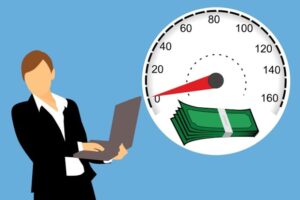


Discovering you have bad credit can feel confronting, especially if you weren’t expecting it. Whether it’s the result of missed payments, high credit utilisation, or simply losing track of a bill, the good news is that bad credit isn’t permanent—and there are clear steps you can take to turn things around. Before you panic or rush into decisions, it’s worth understanding your situation carefully and avoiding quick fixes that could make things worse. For example, researching how do fast cash loans work can help you see where short-term borrowing fits (and doesn’t fit) into your financial recovery plan.
Here are the first five things you should do when you discover your credit score isn’t where you want it to be.

Table of Contents
Get a Full Copy of Your Credit Report
Your credit score is just a summary—the real insights are in your credit report. Request a free copy from one of Australia’s major credit reporting bodies: Equifax, Experian or illion. Look for:
- Defaults
- Late payment marks
- High credit utilisation
- Incorrect personal details
- Old accounts that should no longer be listed
It’s not uncommon to find errors, and correcting these can sometimes boost your score quickly. Your credit report also gives you a clear roadmap of what needs attention.
Identify What Went Wrong
Bad credit isn’t random. Something caused it, and understanding the cause is essential for recovery. Common contributors include:
- Missed or late payments
- Overreliance on credit cards
- Multiple loan applications in a short timeframe
- Outstanding defaults or debts sent to collections
Once you know the patterns, it’s easier to break them. For example, if late payments are the issue, automation or adjusting due dates might be all you need to regain control.
Contact Your Creditors Early
If you have overdue accounts, get in touch with lenders sooner rather than later. Most creditors would rather work with you to find a solution than escalate the issue. Depending on your situation, they may offer:
- A temporary repayment arrangement
- A reduced instalment amount
- A payment pause
- A negotiated settlement
Showing willingness to pay—even if slowly—can prevent accounts from being listed as defaults, which have serious long-term consequences for your credit score.
Create a Practical Budget (and Stick to It)
A well-structured budget isn’t about restriction—it’s about clarity. Understanding your income, expenses and spending habits helps you avoid repeating the choices that led to bad credit.Include:
- All essential expenses
- All debt repayments
- A small emergency buffer
- Flexible spending for less predictable costs
The goal isn’t perfection; it’s consistency. Even small, steady improvements in repayment behaviour can make a significant difference to your credit health.
Stop Applying for New Credit (For Now)
One of the biggest mistakes people make after discovering they have bad credit is applying for more loans or credit cards in the hope of “resetting” things. In reality, each application leaves a mark on your credit file—and too many can make a bad score worse.
Instead, focus on stabilising your existing commitments. If you do need short-term financial support, do your research thoroughly and make informed decisions. Understanding howfast cash loans work ensures you know both the benefits and the risks before considering additional borrowing.
Bad credit can feel like a setback, but it doesn’t define your financial future
By taking clear, proactive steps—starting with understanding your report, correcting errors, and prioritising your repayments—you can rebuild your credit profile over time. Remember: improving your credit score is a journey, not a quick fix, but every positive action helps move you in the right direction.