


Indoor plants can instantly elevate a space—adding warmth, texture and a sense of calm. But while greenery is often seen as a foolproof décor upgrade, it’s surprisingly easy to get it wrong. From overcrowding shelves to choosing plants that simply won’t thrive indoors, small mistakes can undermine the look (and health) of your plants.
Whether you’re styling a new home, refreshing an office, or ordering a thoughtful gift with same day plant delivery, here are the most common indoor plant décor mistakes—and how to avoid them.
Table of Contents
Choosing Plants Based on Looks Alone
It’s tempting to select plants purely on aesthetics, but not every plant suits every indoor environment. A stunning fiddle leaf fig may look perfect in a showroom, yet struggle in a low-light apartment.
How to avoid it: Before buying, consider light levels, temperature, airflow and how much care you realistically want to provide. Low-maintenance plants like snake plants, pothos and ZZ plants are ideal for busy households or offices, while brighter spaces can support more light-loving varieties.
Ignoring Scale and Proportion
One of the most common styling errors is mismatching plant size with the space. A tiny plant on a large floor can look lost, while an oversized pot on a narrow shelf can overwhelm the room.
How to avoid it:
- Use larger plants to anchor corners or open-plan areas
- Medium plants work well beside sofas, desks or entryways
- Smaller plants are best grouped together on shelves or tables
Think of plants as furniture—they should feel balanced within the room.
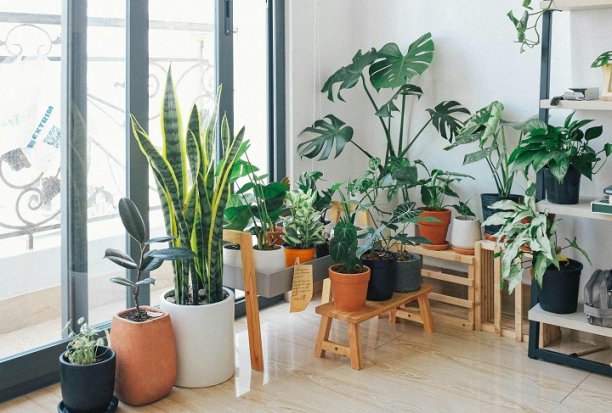
Overcrowding Your Space with Greenery
While lush interiors are on trend, too many plants crammed into one area can look cluttered rather than curated. Overcrowding also limits airflow and light, which can affect plant health.
How to avoid it:Aim for intentional placement. Leave breathing room between plants and mix greenery with negative space for a clean, modern look. Less, when styled thoughtfully, often feels more refined.
Poor Pot and Planter Choices
Even the healthiest plant can look out of place in the wrong pot. Cheap plastic containers or mismatched styles can detract from an otherwise polished interior.
How to avoid it:Choose pots that complement your décor style—ceramic for modern spaces, textured stone for natural interiors, or neutral tones for minimalist rooms. Ensure pots have proper drainage or use an inner liner to protect furniture and flooring.
Incorrect Placement for Light Conditions
Placing plants too far from natural light (or directly in harsh sunlight) is a décor and care mistake rolled into one. Unhappy plants quickly become droopy, leggy or discoloured—hardly the look you’re going for.
How to avoid it:
- Bright, indirect light suits most indoor plants
- Low-light plants still need some natural light
- Avoid placing plants directly against cold windows or air-conditioning vents
If light is limited, choose plants known for their resilience indoors.
Forgetting Maintenance as Part of Styling
A dusty plant, yellowing leaves or dry soil can make even a beautifully styled room feel neglected. Décor doesn’t stop once the plant is placed.
How to avoid it: Incorporate simple maintenance into your routine:
- Dust leaves every few weeks
- Trim dead or damaged growth
- Rotate plants to encourage even growth
Healthy plants always look better—and last longer.
Treating Plants as Static Décor
Unlike artwork or furniture, plants grow and change. Leaving them in the same spot for years without repotting or adjusting placement can limit their lifespan and visual appeal.
How to avoid it: Reassess your plant styling seasonally. Repot when roots outgrow containers, refresh tired arrangements, and move plants as light conditions change throughout the year.
Bringing It All Together
Indoor plants should enhance your space, not complicate it. By choosing the right plants for your environment, paying attention to scale and placement, and treating greenery as a living design element, you’ll create interiors that feel fresh, balanced and inviting.Whether you’re styling your own home or selecting a meaningful gift, thoughtful plant choices—and avoiding these common décor mistakes—make all the difference.