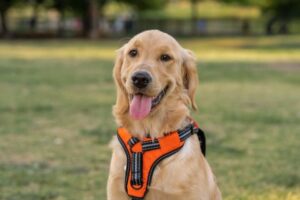


You may have gone into the vet expecting a swollen gland, an infection, or a simple fix, then heard words that stopped you cold. Tumor. Surgery. Cancer staging. Cost. Recovery. That shift happens fast, and it leaves most dog owners trying to make decisions while scared and short on sleep, all while balancing other responsibilities like finding reliable pet care services in Winnipeg.
If your dog has been diagnosed with an anal sac tumor, the first goal is clarity. You need to know what the surgery is meant to do, what the risks are, whether the cancer has spread, and what life may look like after treatment. These six questions help you get answers that matter, not just medical terms. They also help you decide what kind of care your dog needs from a Veterinary Hospital and whether you are getting a plan that fits your dog’s age, health, and comfort.
Table of Contents
The Main Goal of Dog Anal Sac Tumor Surgery Shapes Every Other Decision
Start with the most direct question. What is this surgery trying to achieve for my dog? Some dogs are surgical candidates because the tumor appears localized and removable. Others need surgery to reduce pain, straining, or blockage, even when cure is less likely.
Anal sac adenocarcinoma can spread to nearby lymph nodes and may also affect calcium levels in the blood. Cornell’s overview of canine anal sac adenocarcinoma explains why this cancer can be more than a local mass. That is why “remove the tumor” is only part of the conversation. You need to hear whether your dog’s surgery is intended to cure, control, or relieve symptoms.
This question often settles the fear that you are missing something obvious. If the goal is comfort, you can weigh recovery differently. If the goal is long term control, staging and follow up become more urgent.
Staging Before Surgery Tells You How Much Disease Is Present
The next question is whether your dog needs more testing before surgery. Many owners hear “mass removal” and assume the operation comes first, but staging often changes the plan. Imaging, bloodwork, and lymph node evaluation can show whether the cancer is still local or has already spread.
Cornell’s page on diagnosis and staging outlines why this step matters in cancer care. If enlarged lymph nodes are present, your veterinarian may recommend removing or sampling them, or adding oncology treatment after surgery.
You are not overreacting by asking for specifics. Ask what imaging is recommended, what the blood calcium level shows, and whether the nearby lymph nodes look involved. A dog with a small primary tumor and no visible spread is in a different position than a dog with metastatic disease, even if both need surgery.
Surgical Risks and Recovery Deserve Plain Language
This is where most people get stuck. They want to help their dog, but they also fear putting their dog through a hard recovery. Ask what complications are most common in your dog’s case. Because this tumor sits in a delicate area, surgery can involve swelling, infection, pain with bowel movements, stool leakage, or nerve related issues. Some dogs recover smoothly. Some need more support at home than owners expect.
Ask how many days of restricted activity are typical, when your dog can pass stool comfortably, and what signs mean you should call right away. If your dog is older or has other health problems, ask how those issues change anesthesia risk and healing time.
This is also where the phrase anal sac tumor surgery for dogs becomes real. It is not just a procedure on paper. It affects eating, walking, toileting, sleep, and your dog’s stress level for days or weeks.
Margins, Lymph Nodes, and Follow Up Treatment Affect Prognosis
One of the most useful questions is what happens after the mass is removed. Will the tissue go to pathology? Are the nearby lymph nodes being checked? What result would lead to chemotherapy, radiation, or referral to an oncologist?
Owners often feel blindsided when they learn surgery was only one part of treatment. A clean removal with no spread gives a different outlook than incomplete margins or confirmed lymph node involvement. That does not mean surgery was a mistake. It means surgery and prognosis are tied to pathology results, not just what the mass looked like from the outside.
If your veterinarian uses the phrase dog anal gland cancer surgery, ask them to translate it into a plan. What information will pathology give? How long do results take? What is the next step if the report shows aggressive disease?
Costs and Expected Benefit Should Be Weighed Side by Side
Financial stress is part of this, even when people feel guilty saying it out loud. Ask for an estimate that separates diagnostics, surgery, pathology, medications, and follow up visits. If advanced imaging or oncology referral may be needed later, ask for a range now.
The hard part is that cost alone does not tell you value. A lower quote for limited treatment may not help if it leaves key questions unanswered. A higher quote may include staging, better pain control, or lymph node assessment that changes outcome and decision making.
| Question to Ask | Why It Matters | What the Answer May Change |
| Is the goal cure, control, or comfort? | Sets realistic expectations | Whether surgery is the best next step |
| Has the cancer been staged? | Shows if disease has spread | Need for imaging, lymph node sampling, oncology care |
| What are the main surgical risks for my dog? | Helps you prepare for recovery | Home care plan, time off work, pain management |
| Will pathology and margins be assessed? | Determines how complete the removal was | Need for more treatment after surgery |
| What is the total expected cost? | Prevents financial surprises | Timing, referral choices, payment planning |
| What happens if we do not do surgery? | Clarifies risks of waiting or choosing palliative care | Quality of life decisions |
Three Immediate Steps Help You Make a Better Surgery Decision
Ask for the plan in writing. Get a written summary of diagnosis, recommended tests, surgical goals, estimated cost, and follow up care. When you are stressed, verbal details blur together.
Request staging details before you consent. Ask whether blood calcium, chest imaging, abdominal imaging, and lymph node checks are recommended. If they are not, ask why not. A good answer should be specific to your dog.
Define quality of life before treatment starts. Write down what matters most for your dog. Comfortable bowel movements, appetite, mobility, sleep, and time at home all count. This keeps decisions grounded if the plan becomes more complex after pathology results.
Clear Questions Make a Hard Decision More Manageable
You do not need to become an expert overnight. You need straight answers about prognosis, recovery, cost, and comfort. That is the heart of these 6 Questions To Ask About A Dog’s Anal Sac Tumor Surgery. The more clearly your veterinary team explains the purpose of surgery and what comes after, the more confident you can feel in the choice you make for your dog.
If your dog may need cancer surgery or a second opinion, contact a Veterinary Hospital and ask for a treatment plan that covers staging, surgery, pathology, and recovery in plain language.