


You bring your pet in because something feels off, or because you are trying to stay ahead of a problem before it starts. You hear a diagnosis, a treatment plan, maybe a warning about what could happen next, and suddenly you are expected to make decisions fast. That is a hard place to be. Most people are not trained to sort through medical terms, risk levels, medication schedules, behavior changes, and cost concerns all at once, whether they are dealing with an illness or simply planning for pet vaccinations in Port Neches, TX.
That is why client education matters so much in an animal hospital. Good care is not only what happens in the exam room. It is also what happens after you get home, when you are watching for side effects, giving medication, changing food, keeping follow up visits, and trying to tell whether your pet is improving. Clear guidance helps you act sooner, avoid mistakes, and feel less alone in the process.
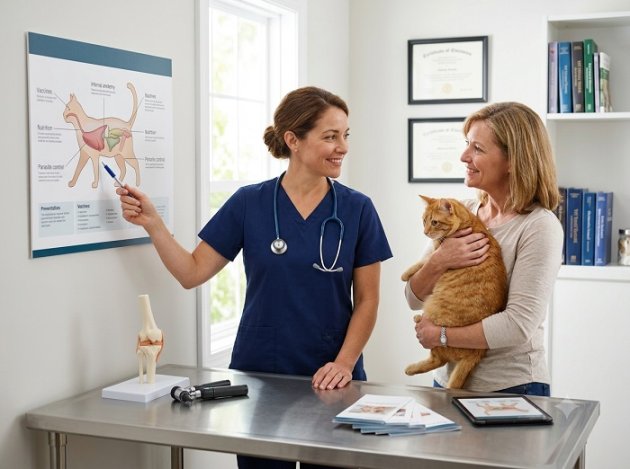
Table of Contents
Client education in veterinary care improves decisions and outcomes
Pets cannot explain where it hurts, when symptoms started, or whether a treatment is helping. Your observations fill that gap, and those observations are only useful when you know what to look for. If a veterinarian tells you your dog has early dental disease or your cat is showing signs of kidney trouble, the next steps matter. You need to know what changes are normal, what signs mean trouble, and when waiting is no longer safe.
Without education, small problems grow. A missed dose becomes a setback. A wound that needed a cone turns into an infected incision. A pet owner who did not understand parasite prevention may face an avoidable illness later. The cost goes up, the stress goes up, and the pet pays the price first.
Pet owner education in animal hospitals also protects the bond you have with your pet. When behavior changes show up, people often assume the pet is being stubborn or difficult. In reality, pain, fear, confusion, or illness may be driving the behavior. When you understand the reason behind a change, you respond with care instead of frustration. That shift can prevent injuries, reduce fear, and improve safety at home.
The American Veterinary Medical Association offers practical pet health resources that help owners understand preventive care, common conditions, and everyday safety. Reliable education cuts through guesswork, which matters when online advice often conflicts or leaves out key facts.
Animal hospital education supports prevention, safety, and trust
Prevention is where education has the most reach. Vaccines, nutrition, weight management, dental care, parasite control, and routine lab work all sound simple until life gets busy and the pet seems fine. That is usually when people put things off. Then a preventable issue turns into a crisis visit.
A hospital that teaches well is not trying to overwhelm you. It is trying to lower risk before your pet needs urgent care. A clear explanation of why heartworm prevention matters lands differently than a rushed reminder at checkout. The same goes for bite prevention, especially in homes with children or in stressful situations where dogs are frightened, injured, or cornered. The AVMA’s guidance on protecting people and pets from dog bites shows how education can prevent harm before emotions run high.
Trust grows when you understand what your veterinary team is doing and why. If your pet needs bloodwork before anesthesia, a recheck after starting medication, or a prescription diet that costs more than standard food, you are more likely to follow through when the reasoning is clear. You are not being “sold” care. You are being given the facts needed to protect your pet.
Educated clients are more prepared at home
The exam room is only one part of treatment. Most care happens with you. You are the one giving the pill to the cat who hates pills, checking the bandage that keeps slipping, measuring water intake, or trying to decide whether that cough sounds worse tonight. That is where veterinary client communication becomes part of medical care itself.
When hospitals give written instructions, demos, follow up calls, and plain language explanations, mistakes drop. You remember whether the medication goes with food. You know whether limping after surgery is expected or alarming. You catch appetite loss sooner. You know when to call and when to head straight in.
Teams can also improve how they teach. Training focused on communication helps staff explain care in ways clients can actually use. Resources like this veterinary communication training course support that work, which benefits pets and owners alike.
Clear education reduces avoidable risk and cost
| Situation | With clear client education | Without clear client education |
| New medication at home | Owner gives correct dose and watches for expected side effects | Missed doses, doubled doses, or delayed response to adverse reactions |
| Post surgery recovery | Owner restricts activity, protects incision, attends recheck | Pet reopens wound, develops infection, or needs added treatment |
| Preventive care plan | Routine vaccines, parasite prevention, and screenings stay on schedule | Preventable illness appears later with higher treatment costs |
| Behaviorchange at home | Owner recognizes pain or fear signs and seeks help early | Problem is dismissed as “bad behavior” until it escalates |
This is the practical side of animal hospital client education. It saves money by preventing repeat visits that never should have been needed. It lowers panic because you know what is normal and what is not. It also gives your pet a better chance at a smoother recovery and a longer, healthier life.
Small actions make client education work better
Ask for plain language. If a diagnosis or treatment plan feels blurry, ask the team to explain it in simpler terms. Ask what the condition means, what you should watch for at home, and what would count as an emergency. You do not need to pretend you understand.
Request written instructions. Verbal advice is easy to lose when you are worried. Ask for medication schedules, feeding changes, recovery limits, and follow up timing in writing. A short handout or portal message can prevent a lot of confusion later.
Repeat the plan back. Before you leave, say the plan in your own words. That simple step catches errors fast. If you say, “I give this twice a day with food and call if she vomits again,” the team can confirm or correct it on the spot.
Better education leads to better animal hospital care
When a hospital treats education as part of care, you feel the difference. You leave with direction instead of doubt. Your pet gets more consistent care at home. Problems are caught earlier, and routine care is more likely to stay routine.
If you are choosing an animal hospital, look for one that explains things clearly, welcomes questions, and gives you tools you can actually use. That kind of support matters long after the appointment ends.