


There is a moment, just before you lift the first spoonful of a truly great bowl of ramen, when everything looks exactly right. The broth shimmers. The noodles spiral just below the surface. And arranged with almost architectural care across the top is a landscape of toppings — each one serving a specific purpose, each one contributing something the bowl would be noticeably poorer without.
Ramen is one of the most customisable dishes on the planet. While the broth — whether it is the creamy, pork-bone richness of a tonkotsu, the clean clarity of a shio, the soy-forward depth of a shoyu, or the fermented punch of a miso — forms the soul of the bowl, it is the toppings that give ramen its personality. They add texture, contrast, colour, richness, heat, acidity, and umami in layers that transform a simple noodle soup into something approaching a complete culinary experience.
Whether you are eating at a legendary ramen shop in Fukuoka, a neighbourhood spot in Tokyo, or assembling your own bowl at home, understanding ramen toppings is the difference between a good bowl and an unforgettable one. Here is your complete guide to the best ramen toppings — what they are, why they work, and how to use them.
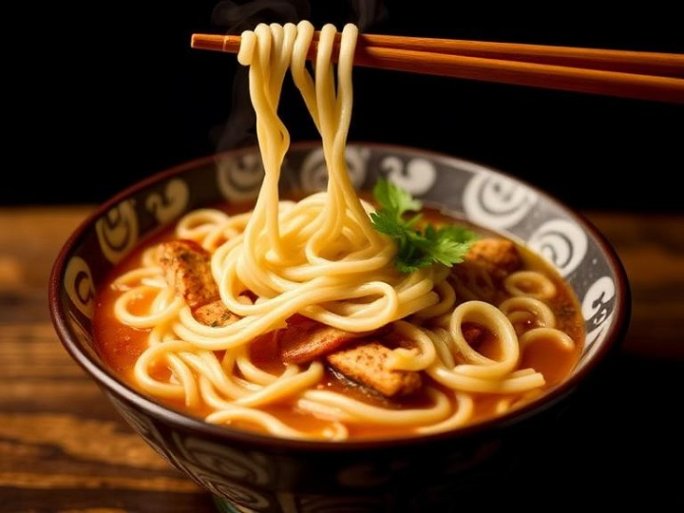
Table of Contents
The Essential Ramen Toppings
1. Chashu Pork — The Crown Jewel
Best with: Tonkotsu, Shoyu, Miso
If ramen has a signature topping, it is chashu — slow-braised pork belly or shoulder that has been rolled, tied, and simmered for hours in a mixture of soy sauce, mirin, sake, and sugar until it becomes something almost impossibly tender. A thick, glistening slice of chashu placed atop a bowl of ramen is not just decoration; it is a concentrated delivery of fat, sweetness, and savoury depth that slowly dissolves into the broth as you eat, enriching every spoonful. Great chashu has a caramelised outer edge, a melt-in-the-mouth interior, and a flavour complex enough to eat on its own. It is, without question, the king of ramen toppings.
2. Soft-Boiled Ramen Egg (Ajitsuke Tamago) — The Essential Companion
Best with: All ramen styles
The ramen egg — marinated overnight in a blend of soy sauce, mirin, and sake after being precisely soft-boiled to leave a jammy, custard-like yolk — is the topping that most ramen lovers would refuse to go without. Sliced in half to reveal that golden, barely-set centre, it adds richness, protein, and a savoury-sweet flavour that complements every style of broth. The marinated white has a pleasant firmness; the yolk is silky and almost creamy. It is the kind of topping that makes you reach for the extra portion instinctively. Mastering the perfect ramen egg at home is one of the most rewarding skills any noodle enthusiast can develop.
3. Nori (Dried Seaweed) — The Subtle Flavour Bridge
Best with: Shoyu, Shio, Tonkotsu
A single sheet of nori, pressed against the interior wall of a ramen bowl so that it partially dissolves into the broth, contributes something quietly essential: a clean, oceanic umami that bridges the gap between the richness of the soup and the freshness of other toppings. As the nori softens, its mineral, sea-like character infuses the broth with subtle depth. Many people eat it in one bite while still partially crisp — a fleeting textural pleasure before it yields entirely. Nori is a reminder that the best ramen toppings do not always announce themselves loudly; sometimes the most important contributions are the ones you only notice when they are absent.
4. Menma (Bamboo Shoots) — Crunch and Earthiness
Best with: Shoyu, Shio, Miso
Menma are fermented and seasoned bamboo shoots, and they are one of the oldest and most traditional ramen toppings in existence. Their texture is pleasantly fibrous and slightly crunchy — a welcome contrast against the softness of the noodles and the tenderness of the pork. Their flavour is mild and earthy, with a gentle fermented tang that adds complexity without overwhelming the other components of the bowl. In shoyu ramen particularly, menma is an almost mandatory presence, providing a grounding, savoury note that feels authentic and deeply Japanese. Do not mistake the bamboo shoots found in stir-fry dishes for proper menma — the fermentation process gives ramen-grade bamboo shoots a completely different character.
5. Green Onions (Negi) — Freshness and Brightness
Best with: All ramen styles
Thinly sliced green onions, scattered with apparent casualness across the surface of a bowl of ramen, perform a function that is more important than their modest appearance suggests. They introduce sharpness and freshness into what is otherwise a very rich, savoury environment. Their mild onion flavour cuts through fatty broths — particularly tonkotsu — with a cleanness that prevents the bowl from becoming cloying. They also contribute colour, which matters more than it might seem: the vivid green of freshly sliced negi against the pale gold of tonkotsu broth is one of ramen’s most appealing visual signatures. Some shops use the white parts for their sweetness and the green parts for their sharpness, treating them as two distinct toppings.
6. Bean Sprouts — Texture and Lightness
Best with: Tonkotsu, Miso
Bean sprouts in ramen are about textural contrast and lightness. In the heavier, richer styles of ramen — tonkotsu from Hakata being the obvious example — a generous handful of crisp, blanched bean sprouts introduces a refreshing crunch and a subtle vegetal flavour that keeps the bowl from feeling one-dimensional. They absorb the broth beautifully, becoming flavour-soaked while retaining just enough snap to remain interesting. Hakata-style ramen shops in particular treat bean sprouts as near-essential, often piling them generously in the centre of the bowl as both a flavour component and a visual anchor.
7. Corn — Sweetness and Pop
Best with: Miso, Butter-style broths
Corn might seem like an unconventional ramen topping to the uninitiated, but in Hokkaido-style miso ramen — the regional style from Japan’s northernmost island — sweet corn kernels are not just acceptable but essential. They introduce a burst of natural sweetness that plays beautifully against the fermented, earthy depth of miso broth, and their bright yellow colour makes the bowl visually irresistible. Often paired with a pat of butter that melts slowly into the hot soup, corn transforms a bowl of miso ramen into something that feels hearty, warming, and distinctly northern Japanese. Do not overlook this topping; it earns its place with every spoonful.
8. Mayu (Black Garlic Oil) — The Flavour Bomb
Best with: Tonkotsu
Mayu is one of ramen’s great secret weapons. Made by charring garlic until it turns completely black and then blending it with sesame oil or lard into a dark, intensely aromatic paste, mayu is drizzled across the surface of tonkotsu ramen in a thin black spiral that looks dramatic and tastes extraordinary. The charred garlic has a deeply complex flavour — bitter, smoky, sweet, and savoury simultaneously — that adds a layer of roasted intensity to the rich pork broth beneath it. A bowl of Kumamoto-style tonkotsu without mayu is good; a bowl with it is transformative. A little goes a long way, but its impact on the overall flavour of the bowl is completely disproportionate to the small amount used.
9. Butter — Richness and Luxury
Best with: Miso, Corn-based broths
A single, generous pat of cold butter placed in the centre of a steaming bowl of miso ramen is a Hokkaido tradition that exemplifies one of ramen’s core principles: more richness, more depth, more satisfaction. As the butter melts slowly into the hot broth, it creates a silky, golden emulsion that enriches every noodle and every sip. The dairy sweetness of the butter softens the sharpness of the miso, rounding out the flavour profile into something luscious and deeply comforting. It is, admittedly, not a topping for those seeking a light meal — but ramen has never made that promise, and the combination of miso, corn, and butter is one of the great flavour triumphs of Japanese regional cuisine.
10. Togarashi and Chilli Oil — Heat and Complexity
Best with: All ramen styles, particularly Tonkotsu and Miso
No guide to ramen toppings would be complete without addressing heat. Japanese seven-spice blend togarashi — a mix of dried chilli, orange peel, sesame, and other aromatics — adds a tingling, fragrant warmth that elevates ramen without simply setting it on fire. Rayu, the Japanese chilli oil infused with sesame and aromatics, contributes both heat and a rich, nutty depth that complements fatty broths especially well. A few drops of rayu swirled into a tonkotsu or miso broth creates a warming, aromatic heat that builds gradually with each mouthful. The key is restraint: these toppings should enhance the bowl’s existing complexity, not overwhelm it.
Building Your Perfect Bowl
The art of topping a bowl of ramen lies in balance. A great bowl combines richness with freshness, softness with crunch, savoury depth with brightness. Chashu and egg provide the protein; nori and green onions contribute freshness; menma adds earthy crunch; mayu or chilli oil brings aromatic intensity. No single topping works in isolation — they function as an ensemble, each one making the others better.
Whether you are customising at a ramen restaurant or experimenting at home, the principles are the same: think about contrast, think about layers, and think about what the broth needs. A clean, delicate shio broth calls for lighter toppings — a simple soft-boiled egg, some nori, perhaps clams or a slice of white fish. A rich, fatty tonkotsu can support bolder additions — chashu, mayu, bean sprouts, extra noodles, extra pork fat.
The perfect bowl of ramen is the one that makes you want another immediately after finishing it. With the right toppings, thoughtfully chosen and carefully balanced, that bowl is always within reach.