

A tired driveway can make a well-kept home feel older than it is. If you’ve ever pulled into your own driveway and noticed stains, cracks, or uneven slabs before you even look at the front door, you already understand the problem: curb appeal starts at the curb.
The good news is that few exterior upgrades change the “first five seconds” of a property as quickly as a concrete driveway. Done right, it reads as clean, intentional, and durable—exactly the vibe buyers and neighbors respond to in 2026.
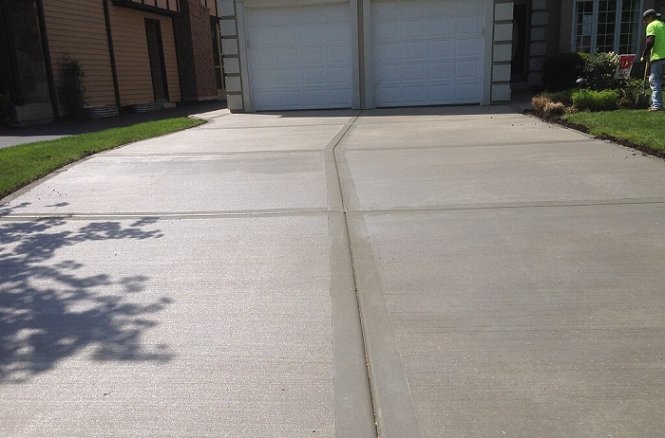
Table of Contents
Why the Driveway is Suddenly the Headline
Exterior projects used to be about landscaping first and paint second, with the driveway trailing behind as a “someday” fix. That order is shifting, partly because driveway surfaces now show wear faster in a world of heavier vehicles, frequent deliveries, and more daily comings and goings. When you’re getting packages dropped off year-round, your driveway becomes a stage, not a background.
There’s also a psychological factor that contractors quietly rely on. When visitors approach a home, their eyes track the path of travel. A smooth, bright, well-edged driveway creates a sense of care and stability before anyone notices trim details or porch lighting. That’s not fluff; it’s how people make quick judgments when they don’t have time to analyze every feature.
What “Boost Curb Appeal Fast” Actually Means
Speed doesn’t just mean how quickly a crew can pour concrete. It also means how quickly the upgrade changes perception, how soon you can use it, and how long it keeps looking sharp with basic maintenance.
In practical terms, “fast” curb appeal comes from three things working together: a layout that looks intentional, a surface finish that matches the home’s style, and edges and joints that look crisp instead of improvised. Even a brand-new slab can look underwhelming if it’s poured with awkward proportions, sloppy transitions to the sidewalk, or random-looking control joints.
A concrete driveway that photographs well is the same one that feels truly high-end in person. The camera tends to accentuate stains, patchwork repairs, and uneven textures—so when a concrete driveway looks great in photos, it often looks even better up close.
The 2026 Look: Clean Geometry, Subtle Texture, and Warmer Tones
If you’re trying to make a driveway feel current in 2026, the trend is less “showy” and more refined. Homeowners still like decorative options, but the demand is drifting away from busy patterns that can date quickly. Think cleaner geometry, consistent textures, and colors that feel warmer and more natural.
One reason is that exterior palettes are trending toward softer, earth-leaning neutrals rather than stark contrasts. A bright white-gray driveway can work, but many people prefer a lightly warmed concrete tone or an integral color that reduces glare and hides normal dust. Subtlety also helps resale; buyers can appreciate a polished look without worrying they’ll have to undo someone else’s bold design choice.
Texture is another quiet upgrade. A broom finish remains popular because it’s practical and slip-resistant, but contractors are increasingly offering fine, uniform textures that feel more “architectural” than rough. The goal is traction without that aggressively striped look some older pours have.
Decorative Concrete: When it Helps—and When it Hurts
Decorative concrete can absolutely raise curb appeal fast, but it has to match the home. Stamped patterns can look upscale on the right property, especially when the rest of the exterior has strong lines or masonry details. But on a simpler façade, overly complex stamping can steal attention from the house itself, which is the opposite of what you want.
Homeowners also underestimate how much decorative work depends on the installer’s skill. A plain driveway poured well looks better than a stamped driveway poured poorly. If the release color is uneven, the joints cut through the pattern awkwardly, or the sealer fails early, decorative concrete can age faster than basic finishes and become a maintenance headache.
If you want a safer “designer” move, a simple border treatment, or a refined exposed aggregate often lands well. It adds visual interest without turning the driveway into the main attraction.
Layout and Proportion: The Curb Appeal Lever People Forget
If your driveway is being replaced, 2026 is a good time to rethink the shape instead of simply copying what’s there. Many older driveways were built for smaller cars and fewer vehicles. Today, a driveway that feels narrow or awkwardly placed can make parking stressful and amplify wear along edges.
A slightly widened approach, a more graceful flare near the street, or a cleaner transition to a walkway can make the whole front yard feel more organized. These aren’t always big changes, but they read as “custom,” and custom is another word for curb appeal.
There’s also a drainage reality that matters. A driveway that subtly directs water away from the garage and foundation doesn’t just protect the home; it prevents the blotchy staining and algae growth that make concrete look old. Good slope design is invisible when done right, which is exactly why it works.
Quick Turnaround Options: What’s Realistic Before You Pour
If you’re aiming for a fast upgrade, ask contractors about scheduling, cure times, and how soon you can drive on the new slab. Standard concrete typically needs time before it’s ready for vehicles, and rushing that step can leave marks, cracks, or surface scaling that show up later.
Some mixes and methods can shorten the “no driving” window, but they’re not magic. Weather, base preparation, thickness, and reinforcement all affect performance. If someone promises a miracle timeline without talking about base compaction, drainage, and jointing, that’s a red flag.
A smart approach is to plan for a driveway that looks good immediately and stays good after the first winter. Fast curb appeal is great; durable curb appeal is better.
The Details Buyers Notice: Joints, Edges, and the “Clean Finish” Effect
A driveway’s polish is often determined by details most people can’t name. Control joints that are straight and evenly spaced make the surface look intentional, not random. Edges that are crisp and uniform make the driveway feel newer, even if the concrete color is modest.
Where the driveway meets the garage slab, walkway, or curb also matters. A clean transition reads as professional craftsmanship. A jagged seam or mismatched height reads as “repair,” even if it’s brand new.
Sealing is another place where curb appeal can either jump or drop. A quality sealer can deepen color and make the surface easier to clean, but a glossy finish can look artificial on some homes and may show tire marks more obviously. Many homeowners prefer a more natural sheen that protects without looking like plastic.
Sustainability and Low-Maintenance Expectations in 2026
In 2026, curb appeal isn’t just aesthetic; it’s tied to values like sustainability and long-term maintenance. Homeowners ask more questions about how materials perform over time and what upkeep will cost them in weekends and dollars.
Concrete has a durability advantage when it’s installed correctly on a well-prepared base. It can also pair with design choices that manage water better, such as thoughtful grading or options that support drainage goals. In some regions, permeable systems are gaining attention, though they require careful planning and may not suit every site.
If you’re comparing materials, the most helpful question isn’t “What’s cheapest today?” It’s “What will still look clean after years of weather, vehicles, and everyday life?” That’s where concrete often wins, especially when cracking risk is managed with proper jointing and reinforcement decisions that fit the soil and climate.
How to Choose a Contractor Without Turning it Into a Second Job
Most homeowners aren’t trying to become concrete experts; they just want a driveway that looks great and doesn’t fail early. The simplest way to stay out of trouble is to ask how the contractor handles base preparation, drainage, reinforcement, joint layout, and curing—because those choices determine whether your driveway stays smooth or starts breaking up.
It also helps to look at past work that’s at least a year or two old. Fresh pours always look good on day one. What you want to see is how the finish holds up after seasons of use, and whether the surface still looks uniform and clean.
Finally, pay attention to how clearly the contractor explains tradeoffs. A professional will tell you what you gain and what you give up with options like stamping, coloring, thicker sections, or sealing schedules. That balance is often the difference between a driveway that merely looks new and one that looks right.
The Bottom Line for 2026 Curb Appeal
A concrete driveway is one of the fastest ways to make a home feel more finished, more modern, and more valuable—without touching the interior. When the layout is thoughtful, the finish fits the home, and the craftsmanship is clean, the upgrade shows immediately and keeps paying off every time you pull in.
If you’re planning for 2026, aim for timeless choices: clean lines, subtle texture, realistic maintenance, and details that look intentional up close. That’s the kind of curb appeal that doesn’t just impress guests—it holds up under real life.